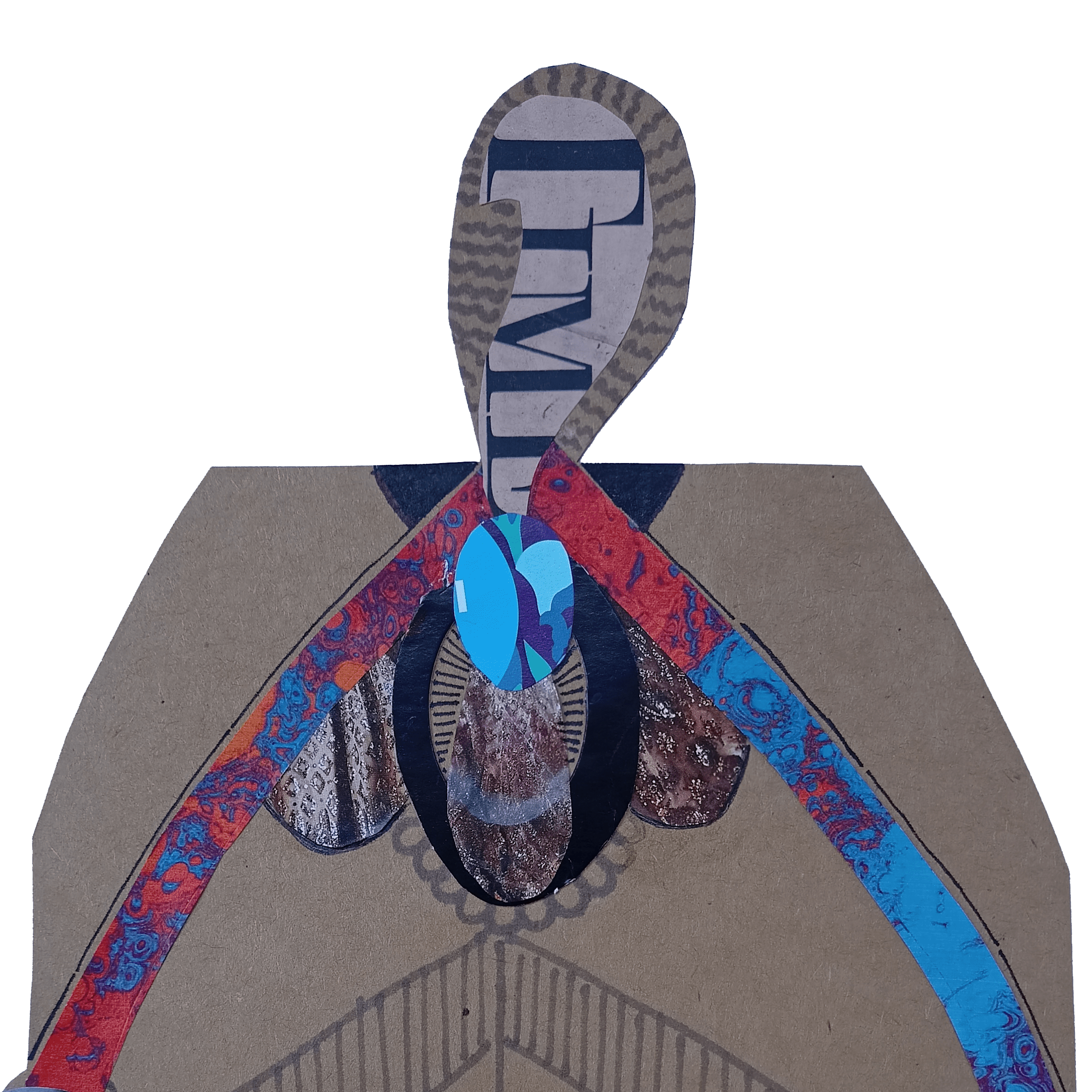

Waari from the eyes of a newly graduated art and design student
I know I am certainly not qualified enough to talk about the Waari or the Pandharpur Yatra that happens in Maharashtra from a religious, mythological or historic perspective. What I am very aware of, is the very ‘waari-esque‘ details that caught my eye when I got to be a part of it for a short while recently.
For those new to the concept, ‘Waari’ is a 21-day-long pilgrimage where devotees carry padukas (a peculiar footwear) of saints, (Dnyaneshwar and Tukaram being the most well-known) from Alandi and Dehu to Pandharpur. While this article verbosely describes what Waari is, I am here to talk specifically about the sights that are lodged in my brain permanently.
Over the past 4 years, my eyes have gotten trained to spot the unusual, ‘quirky’ if I may. Likewise, my brain has also gotten into a habit of reminding me to make a note of the things I think only I see, the thoughts I think only I think. If not any earth-shattering ideas, these notes often turn into essays, ergo blogs.
This ‘list of things that caught my eye’, is a testimony to my thought process and my gaze, an attempt to take the smaller details more seriously.

1. The recycled, multipurpose mats cum raincoats (aka almost everything I need a product to be in 2023)


I didn’t get a chance to venture into who made, supplied or sold these ‘best out of to-be waste’ wonders, but they checked almost all the boxes on my sustainability checklist. I saw a lot of people use these unused and uncut packaging mats to sit on roadsides for a short break. Upon expressing my interest in these mats with my fellow Maulis (a way to address people around during Waari), I got to know that they are also used as raincoats when the showers begin.
“In the days when the rain was punctual”, mother narrated, “the warkaris would sow seeds for the cycle, and by the time they would leave for waari, monsoon would arrive”
For most of the day when we were at Uruli Devachi, a village on the route of the Dnyaneshwar Maharaj Palkhi, it was cloudy, and all of us were expecting a light shower if not a downpour. With the Biparjoy cyclone about to land on our side of the coast the next day, our expectations didn’t seem unrealistic. The clouds did make the sun bearable, if not absolutely welcomed.
2. Participating as an offerer

If you look at Waari as a 21-day-pilgrimage/journey where people take travelling lightly very seriously (imagine trucks carrying luggage of somewhere around 30-40 people, while the people walk with their lighter slings), it becomes easier to understand why there are a lot of people who give food, water and ointment to these pedestrian travellers. These ‘hosts’ are in higher numbers around Pune, probably because Pune hosts the Warkaris for a couple of days. I was also participating in the Waari through some of my mother’s friends, particularly with someone working at a medicine manufacturing company. We were at the Waari, to distribute tubes of ointment to old people willingly walking distances without worrying about their rusty joints and muscles.
That day, I saw the Warkaris being generously offered bananas, Sabudana (sago) Khichadi and Rajgira(amaranth) laddoos, the menu being peculiar to Ekadashi of the month (the 11th day after the full moon) when a lot of Hindus fast. An uncle who was going to walk from Pune to Pandharpur expressed his excitement to try the food that Warkaris eat. “Some women go ahead with the truck to cook meals by the time those walking catch up. When I was young, I visited my mother when the Waari passed through my village; I was persuaded to stay and have their food. I ate till my stomach was overfull”, he fondly remembered.
3. Banana peels, plastic bottles and paper plates
While there were so many people that the road was not seen, when the crowds moved ahead leaving the roads empty, what remained was quite some trash. I kept seeing workers collecting plastic bottles in big gunny bags; the frequency and number of people doing it, was higher than usual too. What was worthy of questioning was that I did not see a single trashcan on the 500metres long road that I passed. Did the lack of trashcans come from the thought that nobody could walk to the side of the road to throw their waste because of the endless crowd, or did nobody bother to arrange for them because there were so many workers allocated to collect the trash? Or did those in charge simply forget to put any? The question still remains in my mind.
4. Vasudev ala (Vasudev came)

An icon in voice projection and storytelling, adorned with a headgear made with peacock feathers, coils of rope and some beaded chains, the man referred to as ‘Vasudev’ goes around telling stories of Krishna.
Men from this community walk, sharing folk music as a means to tell stories and messages. Philosophy, news, religion, and beliefs, all are shared through vibrant and loud tunes and poetry. When I read up to see why so many men from the Vasudev community were at the Waari, I understood that Vithoba was an avatar of Krishna, and Vasudev is especially known for telling Krishna’s stories.
5. Becoming ‘Balance’
Imagine this- you’re so in tune with your body, your centre, that a tulsi plant, potted in a brass Vrindavan (a traditional, square pot with intricate designs engraved on it) kept on your head, becomes an extension of your body. It becomes so seamless a part of you, that you can walk distances with it on your head, hands not even supporting it. While taking a picture with it on my head was as easy as I had expected it to be, completing the entirety of the journey, with an added responsibility of the Tulasi on one’s head- simply a wonder! Centring, focus, and balance are something life coaches so actively speak about. If there was an ultimate test to these, it would, without a doubt, be to become the lady with the Vrindavan in Waari Dindis.

6. A crash course in resourcefulness
While I was running, trying to spot people who were limping and were visibly in pain, I walked towards a bunch of women, resting for a short time before they resumed their long long walk to Pandharpur. I saw a lady, fidgeting with a cloth in her hand and the latch of the tempo we had carried our produce in. When I stepped closer to see what maushi (a way to address a middle-aged woman) was up to, I realised she was trying to hang her wet skirt slip so that it got some time to dry before they departed.
At the risk of sounding territorial and with a hope to build a banter, I told her to make sure she keeps an eye on the tempo, her skirt would otherwise go to factory storage with it. My ‘joke’ seemed to be a hit, especially amongst the other ladies from her dindi (group) who seemed to have expected her to pull a crazy hack.
My first Waari experience was stimulating (to say the least), and not a moment went by when I would have rather been somewhere else. While this idea of joining the Waari for shorter distances has become a thing (especially in IT companies and people who walk and run marathons), I can only imagine the feeling that awaits after completing the whole Waari. To keep moving, to keep walking, to let the rhythm take me forward with the crowd, to watch people of all ages walk, walk and walk was a perfect introduction to Waari, certainly one enough to invite me back.
 Vee Documents

Leave a comment